If you love coffee and brew your own at home you have a way to do the job. You may have a coffeemaker or you may use a French Press or you my even make pour over coffee. Of these three options you need to pay the most attention to taking care of your coffee maker. If you do not routinely clean the apparatus you will get bacteria and mold growing in the moist recesses of your equipment. Not only will this spoil the taste of your coffee but it will also be a health hazard. Thus, you need to clean your device. But you ask, just how often should I clean my coffee maker?
How Quickly Does Mold Accumulate on Moist Surfaces?
Mold will reliably appear start to grow on any moist surface within one to two days of exposure to water. There are always mold spores in the air that are just waiting to find a new home. First you will not see the mold until as long as three weeks after it becomes established. However, the mold is rapidly growing and spreading by the third day. Bacteria establish a foothold much more quickly than mold does. Bacteria can be found on a moist surface within twenty minutes!
Clean Your Coffeemaker Frequently and Well
Standard advice for cleaning your coffee maker is once a week. However, this frequency of cleaning will always allow mold and bacteria to gain a foothold. Luckily hit temperatures kill most household bacteria and mold starting a 160 degrees Fahrenheit. By the time you get up to near boiling temperatures where coffee is brewed hot water and coffee do a good job of killing live bacteria and mold. However, hot liquids to not remove dead mold or bacteria. And, once your coffee maker is not in use and left moist inside you will get the kind of mold and bacteria growth that we mentioned above.
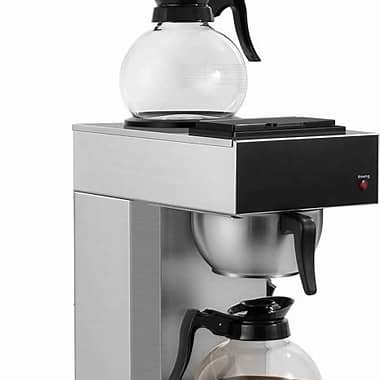
How to Clean Your Coffee Maker
There are commercially available cleaners for your coffee maker. You want something that facilitates the cleaning and does not leave soap, detergent or other residue that will spoil the taste of you next brew. You can use plain dish soap and water. Just make certain than you rinse well after cleaning. Then it is important to dry out your coffee maker because if you clean it and leave it moist inside you will be inviting immediate bacterial and mold contamination! A useful home concoction for cleaning is white vinegar. So are baking soda and citric acid powder. If you want to use household bleach it will do good job of killing mold and bacteria but you will need to rinse very well afterward. The are a variety of commercially available cleaners that you can use as well. Whatever cleaner you decide to use make certain to check the manufacturer’s directions for cleaning first of all.
Do Not Get Sick From a Dirty Coffee Maker
We generally think of cleaning a coffee maker to keep from having bad tasting coffee but some of the germs that might grow in the moist areas of you coffee maker can make you ill if you do not keep the device clean. Besides dangerous strains of E Coli and Staph Aureus bacteria, you could get infected with Aspergillus or Penicillium mold, both of which can cause sever lung conditions. The point being that you need to clean your coffee maker at least once a week and dry it well while it waits for its next use.