The Chemistry of Coffee Roasting
One way to look at cooking and food preparation is to see it as applied chemistry. The same applies to the coffee drink every morning. The coffee that we drink starts out as a “green” coffee bean that has a distinct grassy taste if brew it up. The aroma and flavor that we are accustomed to are the result of roasting green coffee beans. We generally think of this process as resulting in a range of aromas and flavors depending on time spent roasting and roasting temperature but there are also a host of chemical changes going on when coffee beans are heated up into the 400 degree Fahrenheit range. Here are some thoughts about the chemistry of coffee roasting.
Chemical Reactions When Roasting Coffee
Coffee roasting has been extensively studied and the various stages given names. They are the Maillard reaction, caramelization, Strecker degradation and pyrolysis. Each one contributes to the aromas and flavors we associate with our coffee.
Maillard Reaction
When coffee being roasted reaches the 300 degree Fahrenheit range coffee being roasted turns a light brownish gold similar to what happens with meats and baked goods and starts to develop a rich flavor and aroma. This process was described by a French chemist more than a century ago.
Caramelization
As the temperature of the roasting coffee climbs above 320 degrees Fahrenheit sugars in the coffee begin to break down resulting in nutty and sweet flavors. The caramel-like flavor in darker roasts comes specifically from this process.

Strecker Degradation
As coffee roasting temperature rises a bit higher, alpha amino acids in coffee are converted to imines which in turn are broken down into aldehydes and carbon dioxide via hydrolyzation, providing even richer and more varied coffee flavors. This process is common in baking various foods as well as in the roasting of coffee.
Pyrolysis
The next and last chemical process in coffee roasting occurs as temperatures go up and as time spent roasting proceeds. This process gives dark roasted coffee its darker color, reduced acidity, and heavier “body.” It is at this step that more complex chemicals are broken down. This step leads the loss of chemicals responsible for the “brighter” taste of a more lightly roasted coffee.
Understanding Coffee Chemistry When Roasting
Coffee roasting should not be a blind process. The first chemical step, the Maillard reaction, gives coffee its brown color and start the process of adding unique flavors. Aroma of roasted coffee largely comes from Strecker degradation. Sweet and caramel like flavor comes from caramelization and the “roasted” flavor and darker color happen with pyrolysis at the highest roasting temperatures and longest roasting duration.
You Do Not Have to Memorize the Chemical Steps of Coffee Roasting!
Coffee roasting should not be a laborious or tedious process. Once you find the best roasting process for the coffee that you like, simply follow the same steps every time you roast and enjoy your coffee. The chemistry will take care of itself so long as you repeat the exact same process each time.
Is Green Coffee Good for Your Health?
Years of research have demonstrated that drinking coffee leads to long term health benefits. More recently green coffee has been touted as not only an aid to losing weight but also a means of controlling blood pressure, avoiding heart disease and even helping avoid the effects of aging. Is green coffee really good for your health? What are recent assertions regarding green coffee health benefits based on?
Coffee Health Benefits and Antioxidants
Proof of the health benefits of coffee does not come from studies of coffee but rather long term studies of large populations that include whether or not folks drank coffee and information about the incidence of various diseases. These studies show that coffee drinkers are less likely to develop Type II diabetes, various types of cancer, Alzheimer’s disease, Parkinson’s disease, and heart disease. Subsequent studies have indicated that the reason for coffee health benefits is the high level of antioxidants in coffee.

The roasted coffee that we use to brew our morning cup of Java comes from green coffee beans which contain higher levels of the antioxidant chlorogenic acid than roasted coffee. This is because much of the chlorogenic acid is reduced as it is converted to quinic acid and caffeic acid during the process of roasting. The assumption is that since green coffee has even higher levels of antioxidants like chlorogenic acid that roasted coffee does and antioxidants like chlorogenic acid are believed to be the reason for coffee’s health benefits that green coffee has equal to greater health benefits than roasted coffee. On the other hand, there are no long term studies where folks were asked about consuming green coffee and their health status kept track of such as is the case with regular, roasted coffee.
Green Coffee and Weight Loss
Green coffee is currently being marketed as a way to lose weight. It is unclear where this idea came from as there are no studies showing green coffee to be useful in this regard. The rationale commonly given for using green coffee to lose weight is that
Chlorogenic acids possibly inhibit an enzyme called alpha-glucosidase in the digestive tract. This enzyme breaks down carbohydrates. The assumption is that such inhibition will lead to lower levels of blood sugar which in turn will lead to fewer insulin spikes which in turn will lead to fewer craving for sugars and starches in a rebound effect. While this may be plausible, there is not clear proof that green coffee consumption leads to weight loss over time.
Is Green Coffee Good or Bad for You?
Despite our reservations about green coffee as a weight loss treatment it is certainly likely that green coffee has similarly beneficial effects on health to what is seen with regular coffee from roasted beans. The drawbacks in terms of too much caffeine, high blood pressure, stomach acidity are pretty much the same as regular coffee which can be dealt with using common sense and moderation.
Testimonials Versus Scientific Proof in Advertising Green Coffee
The old Roman saying, let the buyer beware, applies to advertising for things like green coffee for losing weight. Do not mistake a plausible argument along with a personal testimonial about how much someone felt better after using a product as the sort of proof offered by unbiased scientific studies. We know that drinking coffee reduces the risk of type II diabetes, cancers, heart disease, etc. because the folks who did the research were looking for truth and not trying to sell you something.
What Is a French Roast?
If you are not familiar with coffee roasting you probably do not know the answer to this question or think it has to do with French cooking. A French roast is not something to do with French cuisine. Rather it is a term used for coffee that has been roasted to where it is very dark with a caramelized flavor. French roast coffee is very popular.
Why Do We Roast Coffee?
Raw coffee beans or green coffee are how coffee comes from a coffee farm. It can be stored for up to three years and retain its freshness and flavor. However, to make coffee you need to grind up those coffee beans and that does not work very well with green coffee beans. So, the first reason for roasting is that it dries out the coffee and makes it easier to grind coffee. The roasting process also creates chemical processes that in turn create the coffee flavors that we love and the antioxidants that are responsible for many of the beneficial health effects of drinking coffee. There are various specific levels of coffee roasting.
Levels of Coffee Roasting
Coffee is roasted from light, to medium to medium-dark, to dark roasts at progressively higher temperatures and for longer periods of time. A light roast is also known as a city or cinnamon roast. A medium roast is also called an American or breakfast roast. A medium to dark roast is also called a full city roast. A dark roast, which is roasted at 460 degrees Fahrenheit to the “second crack” and is either a French or an Italian roast. The Italian roast is done at a higher temperature than the French roast and virtually eliminates all of the flavors that originally come with the coffee bean and which are totally preserved with a light roast.
French Roast Coffee
Folks who like a strong coffee with a bittersweet taste and low acidity will like a French roast. If you like a rich dessert after a restaurant meal you will enjoy a cup of French roast coffee with your dessert. For a main course including strong Mexican sauces or Indian curry, a French roast coffee is also an excellent choice.
How to Achieve a French Roast
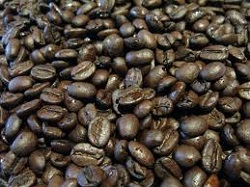
To get the smoky, slightly sweet flavor of a French roast, roast at between 440 and 455 degrees Fahrenheit until just after the “second crack.” The second crack is when oils from the coffee bean come to the surface and create a pop or crack similar to the “first crack” when moisture in the coffee beans turns to steam. The first crack happens at about 380 degrees Fahrenheit and the second crack at about 440 degrees Fahrenheit. You can achieve this level of roast with a coffee roaster using automatic settings and you can simply put green coffee beans in a frying pan and listen carefully as you heat them and slide the pan back and forth over the burner. Either way you will achieve a coffee low in acidity, slightly sweet with a caramelized flavor characteristic of the French roast.
What Is Café Americano?
All of your life when you wanted a cup of coffee in a café or restaurant you simply asked for a cup of coffee. Maybe you started going to your local Starbucks or other neighborhood coffee shop where you learned about espresso, mocha and lots of flavored coffee drinks. But then you went on vacation south of the border anywhere from Mexico to Argentina at the southern tip of South America. There you looked at the menu in a coffee shop and you did not see “coffee.” Rather you saw types of café. One of the choices was café Americano. The same thing might happen to you on a trip to Europe. What is café Americano? Is it what you want if you simply want a cup of coffee?

Coffee for Gis After World War II and Offshore Americans Today
In the aftermath of the Second World War there were more than a million US military stationed abroad with a significant fraction of those service personnel stationed in Europe. Those folks wanted a cup of coffee just like mom brewed up on the farm in Iowa, Illinois, or Indiana. Folks in Europe eventually caught on to that the GIs wanted and diluted two shots of espresso with about 120 milliliters of hot water. This process results in a coffee similar to that of a drip percolator albeit with a different process. They called it “American coffee or café Americano .This approach is still used today not just in Europe but elsewhere around the globe including in Mexico, Central America and South America. So, if you want a standard cup of coffee when visiting Puerto Vallarta, Mexico, San Jose, Costa Rica, or Buenos Aires, Argentina, ask café Americano, “por favor.”
Is Café Americano Better Than Drip Coffee?
The caffeine content of café Americano is pretty much the same as coffee from a drip percolator. However, café Americano has a richer flavor due to the use of espresso instead of the drip percolator process. If you spend a significant amount of time out of the USA and routinely drink café Americano you will notice the difference when you come back home and start brewing your own coffee once again. The difference may be enough that you will start going to your local coffee shop where all coffee drinks start with espresso. Or you may simply buy an espresso machine and only buy finely ground coffee specially prepared for making espresso.
How Much of a Bother Is It to Make Espresso?
Making espresso is easy once you get used to it. However, you will need finely ground coffee and a scale for measuring accurately. You will need a special filter called a portafilter what should come with your machine. This filter holds the coffee grounds while boiling hot water is forced through during the espresso brewing process. Follow the instructions that come with your espresso machine and do not be discouraged when you do not immediately achieve expert results. Many find the process of making their own espresso sufficiently rewarding that it becomes their morning routine. You can even dilute a couple of shots of espresso with 120 milliliters of hot water if what you really want is the café Americano that you became accustomed to on your last trip to Paris, Florence, or Buenos Aires!
Ways to Enjoy Chocolate With Your Coffee
One of the many ways that you can add flavor and zest to your cup of coffee is to add chocolate. At your local coffee shop you can do this you can order a coffee mocha which is espresso, steamed milk and chocolate. However, there are several more ways to enjoy chocolate with your coffee.
Coffee With Chocolate Foam On Top
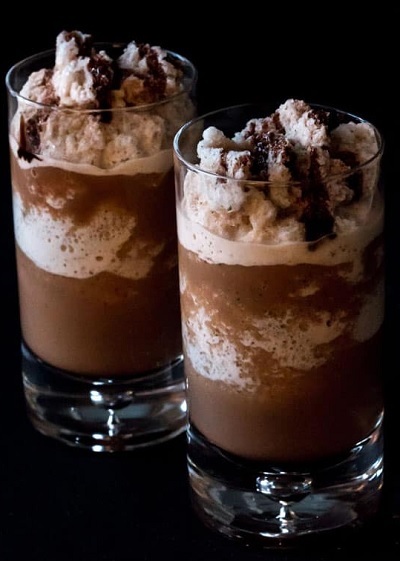
This is a special treat. To make the chocolate foam use milk, chocolate syrup or cocoa powder and your sweetener of choice. put the ingredients in a blender and blend until you get a foam, about 30 seconds. Use half a cup of milk and two tablespoonsful of chocolate syrup. Vanilla syrup is a good sweetener to use. Simply ladle a bit of the foam over your freshly brewed cup of coffee.
Chocolate Whipped Cream Topping
In this case use whipping cream. Make whipped cream first and then fold in the chocolate syrup or cocoa powder. As with the form ladle on top on your freshly brewed cup of coffee. If this reminds you of Irish coffee go ahead and add a touch of whiskey to your Colombian Arabica coffee!
Chocolate Drizzle on Top of Whipped Cream on Top of Your Coffee
You can use this approach with hot coffee and whipped cream on top. Rather than folding the chocolate syrup into the whipped cream, drizzle it on to of the whipped cream. Again, the whiskey is optional!
Coffee Whipped Cream and Chocolate Shavings
This is the same process with making whipped cream and ladling it on top of your freshly brewed coffee. Rather than drizzling the syrup, shave tiny bits of dark baking chocolate and sprinkle them on top of the whipped cream.
Coffee With Mocha Sauce
With this approach you need to learn how to make mocha sauce. This concoction is made with bitter sweet chocolate, heavy cream, brown sugar, instant coffee, vanilla and a pinch of salt. Heat in a sauce pan heat just short of boiling but do not let it boil. All of the ingredients go together except for the bitter sweet chocolate. Put the chocolate in a mixing bowl and pour the hot ingredients over the chocolate to let them melt into the mixture. You can use this mix immediately with your coffee or let it cool and store in the refrigerator for later use. Make your coffee and stir in the mocha sauce.
Simple and Easy Chocolate Milk Added to Your Coffee
If you are deterred from the work involved in the suggestions above, simply add chocolate milk to your coffee instead of regular milk! You get the chocolate and coffee combination with absolutely no fuss or bother!
Drink Your Coffee With a Chocolate Treat
Coffee cake does not contain any coffee. It is simply a treat served with coffee. Similarly, if you want to combine tastes of coffee and chocolate, have your freshly brewed coffee with a chocolate treat. Fancy options include a chocolate stroopwafel, a chocolate biscotti, or a pirouette.
How Did Coffee Evolve in the Wild?
Coffee is a domesticated plant that is grown all over the world within the “coffee belt” where it does not freeze at night in the winter. However, it was not a plant that was imagined and developed by modern botanists. It grew in the wild where it was first discovered in ancient Ethiopia in Northeast Africa. Coffee does not have the sort of sweet fruit that typically attracts animals who then eat the fruit and subsequently spread the seeds in their excrement. Rather it as a bitter, stimulating fruit which one would think would be ignored by grazing animals. To better understand how coffee evolved we might look at the evolution of flowering plants in general.
When Did Flowering Plants First Appear?
Roughly 140 million years ago in the Cretaceous era when dinosaurs ruled the land flowering plants of angiosperms first appeared. Prior to that time plants spread their pollen by air and their seeds simply fell to the ground around the plant. With flowering plants came insects that visited the flowers to harvest the sweet pollen and unknowingly spread pollen from plant to plant. Along with flowers, these plants brought fruit that animals ate because it was generally sweet and nutritious. Animals roamed around and when they eliminated they unwittingly spread the seeds of the fruit of the flowing plant. This new set of relationships was sufficiently beneficial to plants insects, and animals that angiosperms became the dominant form of plant life that we see today. So how does coffee with its bitter fruit fit into this picture?
The Evolution of Specific Traits of Angiosperms
The way plant evolution works is that a randomly occurring trait of a plant increases its odds of surviving and spreading. This commonly occurred with the fruit of plants being sweet, which encouraged animals to eat the fruit and subsequently to spread seeds within the fruit. Over time fruit became sweeter and sweeter and plants that increased this trait spread more rapidly than ones that did not evolve in the same manner. How does this apply to how coffee plants evolved?

Coffee Plants in the Wild
Geneticists tell us that coffee has been growing in the wild for millions of years. They established themselves at high altitudes where there was plenty of rain. According to legend, the first human to recognize that there was something unique about coffee was an Ethiopian goat herder named Kaldi who noticed that his goats were very energetic after they had grazed on coffee plants. The story goes on to say that Kaldi took coffee beans to a local monastery where the monks learned to roast the coffee beans and make coffee. From there the beans, plants, and drink moved on to ancient Yemen, throughout the Ottoman Empire and across the world. From the story we assume that goats learned by chance to eat coffee beans for the “high” they experienced rather than for any sweetness of the coffee cherries. If we believe this, then the “high” becomes the step that encourages consumption of coffee berries and the goats would have spread coffee beans or seeds in their scat. That fits with the way that flowering plants evolved and makes sense for the persistence and spread of coffee in the wild. It also makes sense that any coffee plant that by chance evolved more caffeine production would become more attractive to grazing animals like goats thus creating a positive feedback loop that would favor evolution of coffee plants similar to was growing in the wild in Kaldi’s day and age.
How to Filter Coffee
When we drink coffee we would prefer not to be chewing brewed coffee grounds as well. This is one of the reasons why we use filters to strain out the coffee grounds from our brewed coffee. Another good reason that many folks are not aware of is that by using a paper filter we also remove chemicals that can give rise to “bad” LDL cholesterol and cause an increased risk of heart disease. Are all ways to filter coffee the same or should you know how to filter coffee to obtain the results that you wish?
Filtering Coffee With a French Press
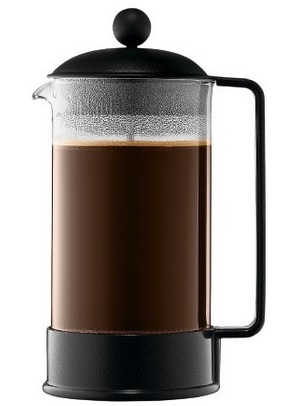
Many of us enjoy coffee made using a French press setup. This device has a metal filter instead of a cloth or paper one. How does that work? The benefit of the metal filter in a French press is that it strains out the coffee grounds and any other particulates from your final brew. It leave rich tasting oils in the coffee providing an excellent taste. Thus, if you are concerned about compounds that might raise your low density cholesterol, they remain in French Press coffee while chewy grounds and other solid matter is removed.
Filtering Coffee With a Pour Over Setup
Traditional pour over coffee is made by placing coffee grounds in a cloth bag attached to a ring that sits on the pop where your coffee will be poured. The cotton cloth does an excellent job of removing particulates. Just like when you use a paper filter this method also blocks cholesterol raising compounds from getting into your final brew. However, to a degree the effectiveness of this approach for preventing cholesterol issues will depend on the type of cloth that you use, The cloth filter does not eliminate all such compounds from getting through but lowers the amount significantly.

Percolator Coffee Using a Paper Filter
Your basic coffee maker or percolator uses a paper filter to remove particulates from the final brew and, incidentally, to block cholesterol raising compounds from getting into your cup of Java. The close mesh of a paper filter physically traps the lipid compounds that can raise low density lipid levels. This is not a chemical reaction but rather a physical blocking. This is a simple approach that does not require anything but inserting a new filter with each new batch of coffee and disposing of the old filter. You can reuse your paper coffee filters a few times but we do not recommend doing so as this results in less aroma, poorer taste and particulates that start getting into the final brew.
Do You Have to Use a Filter When You Make Coffee?
The short answer is “no.” You are not obliged to use a filter when you make coffee. Folks have been making Turkish coffee for hundreds of years by boiling coffee with sugar in a small pot and serving without the use of a filter. The coffee is very finely ground so that any coffee grounds that end up in your cup are tiny but, no, you do not need to filter your coffee. It is a matter of taste and preference. The issue of raising low density lipids is a recent one that only came to light based on medical research. If you do not have a cholesterol issue and love the taste of Turkish coffee, egg coffee, or French Press coffee, skip the paper or cloth coffee filter and enjoy your traditional brew!
How Many Ways Are There to Brew Coffee?
When you brew your morning cup of coffee you probably use the same brewing method every time. Actually, there are many, many ways to brew coffee so it might be rewarding to explore the many possibilities to see if you can find an easier way to make coffee, one that results in a better cup of coffee than you are getting now or even a healthier cup of coffee. What are the ways that you can brew coffee?
There Are Two Categories into Which All Coffee Brewing Methods Fit
Every single way to make coffee falls into either the steeping method or the percolation method. With steeping the coffee sits in hot water and the caffeine and antioxidants diffuse out of the coffee grounds into the water. With the percolation method hot water passes over the coffee grounds and picks up diffused caffeine and antioxidants on its way through.
Immersion Methods for Brewing Coffee
Turkish coffee, which dates back to when coffee was introduced to Europe and the rest of the world is an immersion method. Very finely ground coffee is boiled in a pot without filtering or allowing the grounds to settle. A similar method is making egg coffee back on the farm where coffee grounds are steeped in boiling water with the addition of a whole cracked egg, shell and all. This method removes some of the acidity of the coffee. Both methods are time honored and have their devotees. A popular immersion method is the use of a French press as are cold brew coffee an AeroPress.
What Are the Advantages of Brewing Coffee Via Immersion?
When you use an immersion method you retain more of the natural oils of the coffee, Your coffee will be fuller bodied with reduced bitterness. With Turkish and egg coffee you need to let the coffee sit so that the grounds settle before serving while with a French press you filter out the grounds with a metal mesh filter. One potential drawback to the immersion method is that it can allow kahweol and cafestol to remain in the coffee and not be filtered out. This, in turn can potentially raise one’s LDL or low density cholesterol which one prefers to have very low due to heart disease risk.
Percolation Methods for Brewing Coffee
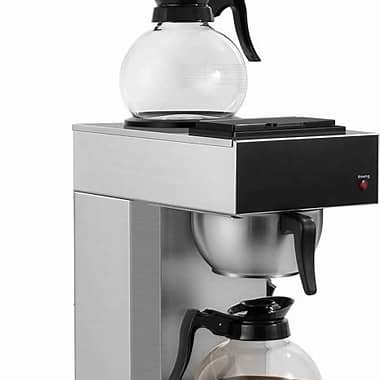
The easiest method in this category is pour over coffee. Put your coffee ground in a cloth bag held over a receiving container. Boil your water, allow it to cool just a bit and put over the grounds. This is a quick and easy method that results in a great cup of coffee every time. You get enhancement of coffee flavor excellent control of the brewing process, a hands on experience, and a smooth and clean texture to your coffee. Alternatively, you can use a percolator coffee maker. This is an “automatic” process that allows you to start it and walk away while the coffee brews. However, you need to maintain the coffee maker, clean it regularly, and your coffee will tend to be “over extracted” as hot water passes repeatedly over your coffee grounds.
Which Coffee Brewing Method Is Best for You?
Every coffee brewing method has its advocates. Your choice will come down to whether you are willing to use a “hands on” approach to get something extra special like with a French Press or pour over coffee or if you opt for convenience such with a percolator coffee maker. Neither route in totally simple as you will need to maintain and clean your coffee maker and you will need to learn how to fine tune your approach for a French press of pour over coffee. Either way, good luck and enjoy your cup of Java!
How Often Should I Clean My Coffee Maker?
If you love coffee and brew your own at home you have a way to do the job. You may have a coffeemaker or you may use a French Press or you my even make pour over coffee. Of these three options you need to pay the most attention to taking care of your coffee maker. If you do not routinely clean the apparatus you will get bacteria and mold growing in the moist recesses of your equipment. Not only will this spoil the taste of your coffee but it will also be a health hazard. Thus, you need to clean your device. But you ask, just how often should I clean my coffee maker?
How Quickly Does Mold Accumulate on Moist Surfaces?
Mold will reliably appear start to grow on any moist surface within one to two days of exposure to water. There are always mold spores in the air that are just waiting to find a new home. First you will not see the mold until as long as three weeks after it becomes established. However, the mold is rapidly growing and spreading by the third day. Bacteria establish a foothold much more quickly than mold does. Bacteria can be found on a moist surface within twenty minutes!
Clean Your Coffeemaker Frequently and Well
Standard advice for cleaning your coffee maker is once a week. However, this frequency of cleaning will always allow mold and bacteria to gain a foothold. Luckily hit temperatures kill most household bacteria and mold starting a 160 degrees Fahrenheit. By the time you get up to near boiling temperatures where coffee is brewed hot water and coffee do a good job of killing live bacteria and mold. However, hot liquids to not remove dead mold or bacteria. And, once your coffee maker is not in use and left moist inside you will get the kind of mold and bacteria growth that we mentioned above.
How to Clean Your Coffee Maker
There are commercially available cleaners for your coffee maker. You want something that facilitates the cleaning and does not leave soap, detergent or other residue that will spoil the taste of you next brew. You can use plain dish soap and water. Just make certain than you rinse well after cleaning. Then it is important to dry out your coffee maker because if you clean it and leave it moist inside you will be inviting immediate bacterial and mold contamination! A useful home concoction for cleaning is white vinegar. So are baking soda and citric acid powder. If you want to use household bleach it will do good job of killing mold and bacteria but you will need to rinse very well afterward. The are a variety of commercially available cleaners that you can use as well. Whatever cleaner you decide to use make certain to check the manufacturer’s directions for cleaning first of all.
Do Not Get Sick From a Dirty Coffee Maker
We generally think of cleaning a coffee maker to keep from having bad tasting coffee but some of the germs that might grow in the moist areas of you coffee maker can make you ill if you do not keep the device clean. Besides dangerous strains of E Coli and Staph Aureus bacteria, you could get infected with Aspergillus or Penicillium mold, both of which can cause sever lung conditions. The point being that you need to clean your coffee maker at least once a week and dry it well while it waits for its next use.
Are the Most Expensive Coffees the Best Coffees?
The other day we ran across an item in the news about Gesha coffee from Panama. At a recent auction green Gesha coffee beans in Panama went for $13,000 per pound. This is at a time when historically high coffee prices on the NYMEX are flirting with $4 a pound! We know that Gesha is good coffee but really! $13,000 a pound? We hear that such coffee goes for $100 for a cup of brewed Java and a twelve ounce bag can routinely go for more than $40 a pound. This raises the question. Are the most expensive coffees the best coffees for simply those with the greatest hype?
What Is Gesha Coffee?
Gesha coffee comes from Ethiopia from near the Gesha forest where it was discovered in the 1930s. It was being grown in Central America in the 1950s. It is a distinctively sweet Arabia with citrus, peach, and jasmine notes. It became especially popular when it won coffee competitions in Panama in the early 2000s. Gesha requires high altitude and has low yield. It is, fortunately, resistant to coffee leaf rust. This coffee is hard to grow and has a low yield, which helps make it an expensive coffee but does not justify exorbitant pricing in our mind.
Buying a bag of Excellent Arabica Coffee at a Colombian Supermarket
This writer lives in Manizales, Colombia in the heart of the Colombian coffee growing district. At our home my wife and I drink Loma coffee which is grown in the department of Caldas where we live. It is an excellent coffee with an impressive flavor profile and traditional Colombian Arabica coffee fruity notes. We purchase a 500 mg (1.1 pound) bag of whole bean roasted for 28500 Colombian pesos which comes to $7.39 at the current USD COP rate of exchange. We have not tasted Gesha coffee for years but I, personally, do not recall Gesha providing a materially better coffee experience than our whole bean roasted Loma grown, processed, and sold in in the heart of the Colombian coffee growing district!
Why Is Excellent Colombian Coffee So Relatively Cheap?
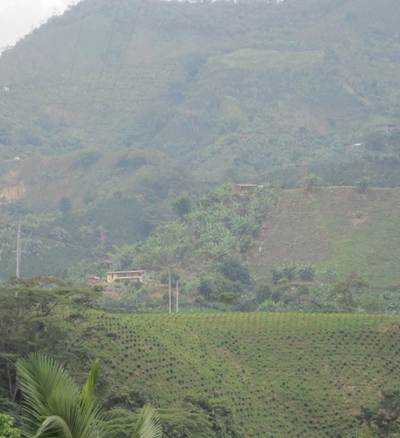
In an area where families have been growing coffee for generations there is in Caldas a strong coffee growing culture and the ability to use the local rich volcanic soil, excellent drainage and cool growing conditions to produce great Arabica coffee on virtually any plot of land. Here you will see people growing coffee on a hillside that is effectively their back yard. When you drive from Manizales to the neighboring million person city of Pereira you take the Coffee Highway, the Carrera de Café. As the photo taken from a roadside restaurant on the highway shows, there is coffee growing at 4000 just behind the restaurant up to 8000 feet on the distant mountain. I grew up in the American Corn Belt where you drive past miles and miles of corn, soybeans, corn and soybeans. Here it is all coffee but never on flat land! In short there is so much local competition that it is virtually impossible to jack up prices to stratospheric levels like with Gesha.
Unique Coffees and Advertising
When you do something like Google for “best coffee” you get websites that are well designed and made to rank at the top of a good search engine. They generally feature very good coffees but nothing that ranks in flavor, body notes higher than what is generally available for reasonable prices from the Colombian Cafetero. So, if you want a great Arabica coffee, buy coffee from Colombia. Just look for Juan Valez on the label.