As we are writing this the news is filled with concerns about the war with Iran, the closure of the Straits of Hormuz, high fuel prices as well as lack of fuel for vehicles, generation of electricity, etc. When this article is published the war may or may not be over but the effects will linger making the information in this article pertinent for months If not years to come. The fallout from the Iran war is also affecting coffee farmers in the country that produces and exports the most coffee in the world, Brazil. Bloomberg reports that Iran war risks include lack of fertilizers and fuel for Brazilian coffee farmers. The end results could be less coffee along with higher prices.
Banco do Brazil SA Considering Financial for Brazilian Farmers
Banco do Brazi is the Brazilian national bank. One of there recurrent duties is to provide support Brazil’s agricultural sector. The are currently considering extension of loan maturities thus letting farmers defer loan payments, Agriculture is a significant part of Brazil’s economy and coffee is a significant part of Brazil’s agriculture. Management of the coffee sector in Brazil is similar to how the US Department of Agriculture deals with corn, soybean, and other producers in the USA. When prices are low farmers are subsidized and allowed to store their crop for later sale when prices go up.
Lack of Fertilizer and Brazilian Coffee Production
Unlike in Colombia where coffee production tends toward high altitudes and rich volcanic soil, coffee production in Brazil takes place at lower altitudes and normal soil Because Brazil largely focuses on quantity instead of top quality they rely on synthetic fertilizers to boost yields. While we have noted that there is a lot of coffee in the Colombian coffee growing axis that is organic in all but name and certification, such is not the case in the lowland coffee farms in Brazil. A problem that Brazilian farmers are facing right now, including coffee farmers, is a lack of fertilizer because of the war in Iran and closure of the Strait of Hormuz through which flows a fifth of all world petroleum products and a third of all sea borne fertilizer shipments. Brazilian coffee farmers will not lack fuel so much because the county is a petroleum producer but lack of fertilizer will be a significant problem for crop yields. The bottom line for Brazil’s coffee farmers will be that lower yields will result in lower income and profits. Thus the Banco do Brazil is likely to intervene to provide loan support.
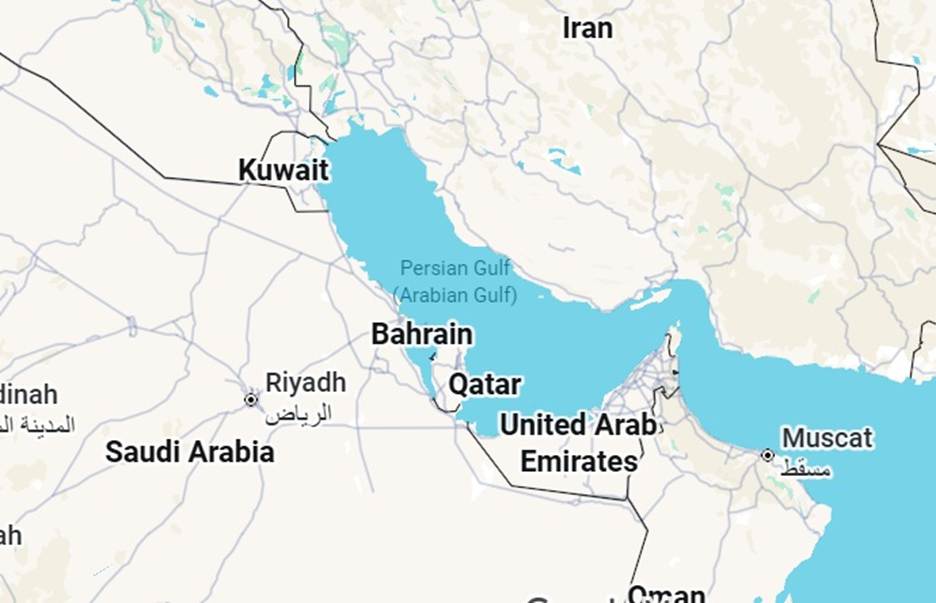
Strait of Hormuz Closure Affects Delivery of Agricultural Products
As reported by Reuters, exports as well as fertilizer supplies will be significantly affected by the war in Iran and closure of the Strait of Hormuz. While Brazilian farmers, including coffee farmers, will be squeezed financially by a lack fertilizer they will also be hurt by their inability to deliver agricultural products to their customers in the Persian Gulf. Shippers are considering offloading shipments in Oman outside of the Persian Gulf and continuing by land to the Persian Gulf states which will increase costs.
As noted by Reuters, Brazil gets more than forty percent of its urea fertilizer from the Persian Gulf which is closed indefinitely. An additional issue is the destruction of Gulf of Persian infrastructure in the current conflict so that even when the conflict ends and the Strait of Hormuz is open to shipping there may well be less fertilizer to ship to Brazil and other customers thus prolonging the problem.