Volcanic soil is very fertile as it contains minerals that are essential to healthy plants such as coffee. In addition, many of the minerals in volcanic soil are important or even essential nutrients for humans. Minerals commonly found in volcanic soil include iron, calcium, magnesium, sodium, potassium, sulfur and phosphorus. However there are also potentially harmful minerals in rich volcanic soil. These minerals can end up as contaminants in coffee grown in volcanic soil. How much of a problem is this?
What Constitutes a Dangerous Contaminant?
Nature Scientific Reports, Chemical Insights published a detailed review of coffees from different parts of the world which dealt with the issue of potentially harmful minerals in soil which can end up in coffee and thus in the human body. An interesting comment at the end of this lengthy report notes that in the 16th century Paracelsus noted that everything is a poison or not a poison depending on the dose! Thus it is important to realize that even though rich volcanic soil may contain trace amounts of potentially dangerous minerals, such trace amounts may well be too low to cause any problems for those who drink coffee raised there. That having been said, here is a snapshot of the literature review in question.
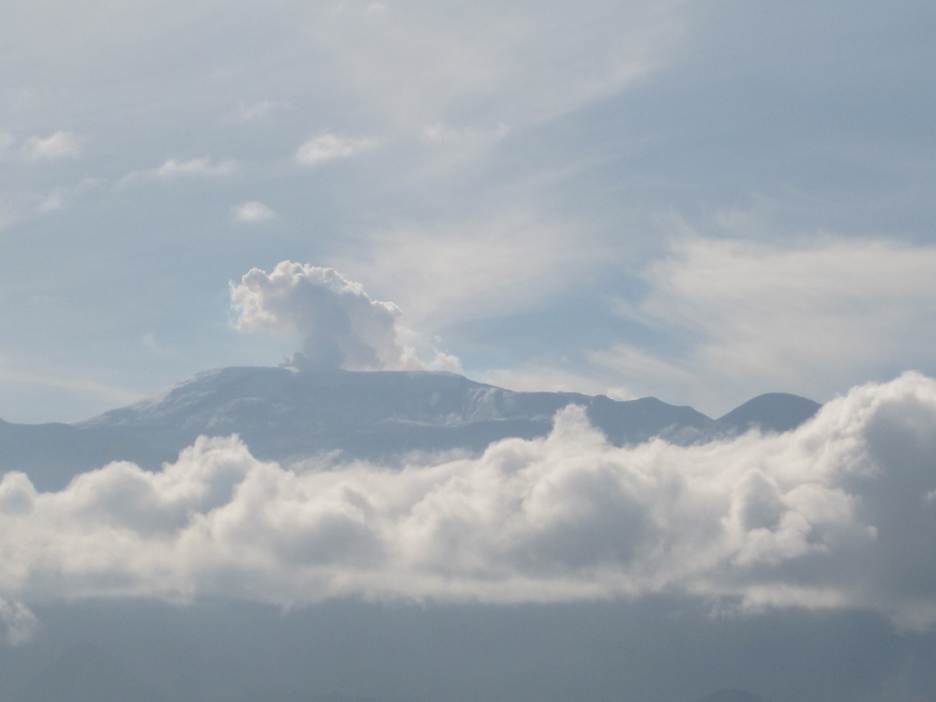
Nevado del Ruiz Volcano in the Colombian Eje Cafetero
Good Minerals in Coffee from Volcanic Soil
Of the beneficial minerals in volcanic soil that make their way into our coffee iron stands out as essential for producing chlorophyll and general plant health. For humans iron is essential for producing healthy red blood cells and preventing anemia. Calcium ranks close to iron in importance as it helps with plant cell wall strength, uptake of nutrients, and root development. For humans, we need calcium for strong and healthy bones as well as blood clotting and a stable heart rhythm. Magnesium is important for producing plant chlorophyll and energy metabolism. For human coffee drinkers magnesium helps maintain strong bones but also is essential for regulating blood pressure, as well as helping with good nerve and muscle function. Sulfur, phosphorus, and potassium are all important for healthy plants and all are essential for human health as all work on the cellular and DNA/RNA level to maintain health. To the extent that these minerals are more plentiful in rich volcanic soil they are also more plentiful in coffee grown in such soil and good for coffee drinkers.
Worrisome Components in Volcanic Soil
In the Nature article they review research regarding heavy metals, various radioactive elements, and aluminum. All of these can be more prevalent in volcanic soil than elsewhere. As a rule the concentrations of radioactive elements ending up in commercially available coffee are very low and, according the Nature article, not significant for human health. In the Nature study they found that Robusta coffee had slightly higher levels of radioactive elements which they assume has to do with root structure of Robusta versus Arabica plants. In neither case did they find levels of radioactivity worrisome to humans who drink coffee. Aluminum is one of the worrisome elements in the soil and particularly volcanic soil that can get into coffee that we drink. However, the levels found in the Nature study were all below those that might be considered dangerous for people drinking coffee.
Can You Safely Drink Coffee That Comes from Volcanic Soil?
The bottom line is that while constituents of volcanic soil lead to healthy coffee plants and great coffee, levels of dangerous elements and chemicals naturally occurring in such soil are sufficiently low to make them unimportant for human health. The same can not be necessarily said for contamination from excessive use of synthetic fertilizers, pesticides, or herbicides. Thus coffee farming practices are likely more important in this regard while the healthy nature of volcanic soil is a plus for great coffee flavor and aroma.