The el Niño event that we have written about is taking hold across various parts of the world. Specifically, it is causing severe drought in a large swath of land in Central America. How is going to affect coffee production from the nations involved?
What Is the Central American Dry Corridor?
According to the World Food Program USA, the Central American dry corridor is a large strip of land along the Pacific coast of El Salvador, Guatemala, Honduras and Nicaragua and extending as far south as the Azero Peninsula of Panama. It is prone to severe spells of drought in response to climatic variations.
Central American Dry Corridor Courtesy of WFPUSA
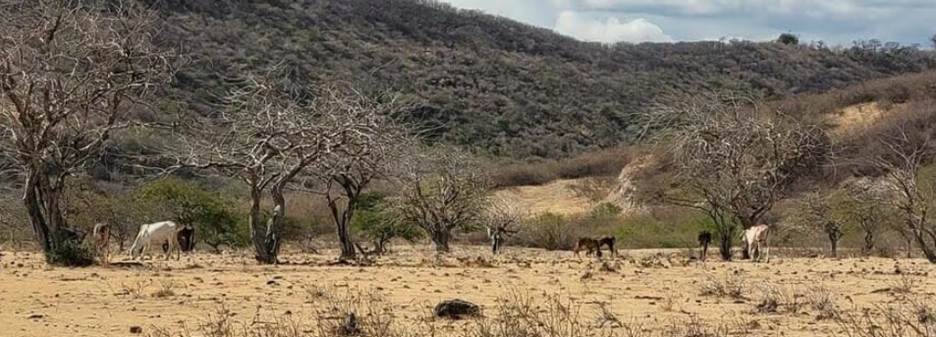
The dry corridor is also home to ninety percent of Central America’s population! When a severe drought hits this region the first concern is the loss of a major area for food production and cattle grazing area that feeds the region. How do drought events in this region affect coffee production?
Coffee Growing in the Central American Dry Corridor
Central America is an extremely biodiverse region with large areas of rich volcanic soil. Thus this region produces lots of excellent coffee. Coffee production is not limited to the central mountainous regions of this part of the world but includes Pacific coastal areas known as the dry corridor. International Coffee Partners sponsors sustainable coffee farming projects specifically in the dry corridor. Coffee growers in this region mostly grow Arabica varieties and account for about ten percent of world production. Thus a significant disruption of coffee production due to severe drought will mostly affect supply and price of Arabica rather than Robusta coffee. By promoting sustainable coffee farming operations folks like International Coffee Partners are helping make local coffee operations less susceptible to catastrophic results from prolonged dry spells.
How Is the El Niño Super Event Progressing?
As we predicted in a previous article this El Niño is turning out to be one of the most powerful on record with climatic changes across the world. The extreme heat wave across Europe and a milder Atlantic hurricane season are just two examples occurring far from the Pacific coast of South America where changes in the ocean current commonly herald a coming El Niño event. While coffee production in the dry corridor is a worry for the coffee world, Reuters reports that massive crop failures across the dry corridor threaten more than seventy thousand small farms.
When Will Normal Growing Conditions Resume in the Central American Dry Corridor?
Meteorologists predict that the super El Niño event will remain strong into early 2027 and start to relent by late spring and even be gone by mid-summer. Coffee plants are very sensitive to lack of water. When a drought is short lived, a plant may speed up maturation and produce smaller berries. If the drought is severe and lasting this can result in the loss of whole harvest seasons and even fields of coffee plants. To the extent that irrigation is possible this can help preserve harvests and coffee farms but this approach requires money that many small coffee farmers to not have. To the extent that this super El Niño is a harbinger of climate events to come, coffee farming will end up being limited to areas less prone to droughts thus decreasing the amount of coffee harvested and raising the price of coffee that is available.