Everybody likes a good cup of coffee in morning or later in the day. Many of us like to brew our own coffee. When the result of our efforts is a good tasting cup of java that is all the better. But what happens when your home brewed coffee does not taste right, when it has a bitter taste? Here are a few thoughts about how to avoid making bitter coffee.
What Makes Food or Drink Have a Bitter Taste?
Naturally occurring components of food or drink such as flavonoids, polyphenols, or alkaloids and their metabolites are experienced as bitter by taste receptors on the tongue, mostly on the back third of the tongue. The degree to which individuals experience foods or drink as bitter can vary significantly from one person to another. This ability to taste bitterness has a genetic or hereditary basis in the ability to recognize toxic or poisonous substances. While coffee is not toxic or poisonous it has bitter components and can be very bitter depending on level of roast, coarseness of grind, as well as both temperature and duration of brewing.
What Makes Coffee Bitter
Naturally bitter ingredients in coffee include caffeine, chlorogenic acid, polyphenols, quinic acid, and phenylindoles. The degree of bitterness of these substances in green coffee beans is not excessive but can increase significantly with dark roasting, excess temperature while brewing, and longer than needed extraction time. In addition, stale beans tend to result in more bitter cups of brewed coffee.
How Avoid Bitterness in Your Brew
To avoid excessive extraction of bitter components of your coffee brew at the low end of the recommended brewing range of one hundred ninety-five to two hundred five degrees Fahrenheit. Use a coarser grind to have less surface area of your coffee exposed to the water in order to extract fewer bitter ingredients. And shorten your brewing time if you need to reduce bitterness even more.
More Water and Less Coffee to Reduce Bitterness
The standard for making coffee is to use about fifteen times as much water as coffee. If you have done everything else and are still getting bitter coffee you may wish to up the ratio of water to coffee although you will be at risk of getting a weak coffee devoid of flavor for your trouble. If you go this route do it in small steps.
Choice of Coffee Beans and Bitter Coffee
If you prefer Robusta coffee which has substantially more caffeine than Arabica coffee you will tend to have a more bitter cup of coffee. Also if you choose an Arabica with less caffeine you may be getting a bean rich in mozambioside, a chemical which is nearly ten times as bitter as caffeine!
What If You Have a Variant of the TAS2R43 Bitter Taste Receptor?
It turns out that about a fifth of us have a more sensitive bitter taste receptor called the TAS2R43 receptor. If you have this variant of the receptor you will experience more bitterness than anyone in the other four fifth of the population. You will need to be more aggressive in all of the measures we mention above in order to get coffee that you experience as less bitter.
Masking Coffee Bitterness with Extra Ingredients
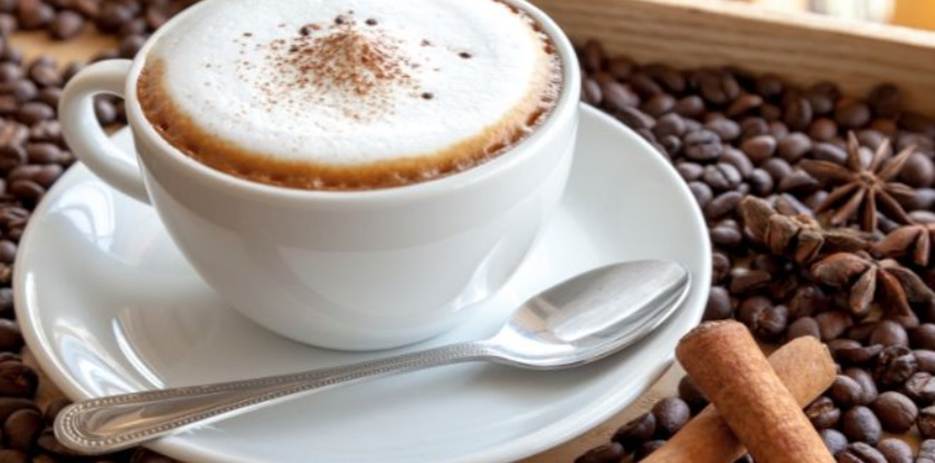
Three stand things that we add to our coffee also mask bitterness. These ingredients are sugar, milk and cream. Milk and cream reduce coffee bitterness two ways. They bind with bitter chemicals and masks bitterness with their own taste. Sugar meanwhile masks bitterness by competing with its sweet taste.