Drinking organic coffee is a good way to avoid the many potential impurities that often come with regular coffee. In addition, organic Arabica coffee is almost always very high quality and excellent coffee. But not all coffee is Arabica coffee. Forty percent of all coffee grown is Coffea canephora or Robusta coffee. And there are coffee growers who provide organic Robusta using the same diligence as those who grow organic Arabica.
What Is Organic Coffee?
Organic coffee is, by definition, distinguished from regular coffee by what it lacks rather than by what it contains. Organic coffee is grown without the use of insecticides, fungicides, herbicides, synthetic fertilizers or genetically modified plants. Organic coffee farming follows sustainable farming practices that protect the land and the water table. Farmers who raise organic crops use natural fertilizers and ways to control plant diseases and pests that do not require synthetic substances. Organic coffee is often shade grown.
Organic Coffee Is Good Coffee
Organic coffee farmers go to a lot of trouble growing their crops. Thus, they tend to start with high quality coffee varieties and pay more than the usual amount of attention to their crops resulting in excellent taste and aroma from their final product. If you want an excellent cup of coffee in addition to wanting to support sustainable agriculture and avoid potentially dangerous ingredients in your cup of Java, going organic is an excellent idea.
Where is Organic Coffee Grown?
The largest proportion of organic coffee is grown in Latin America and within Latin America Peru is the leading producer of organic coffee. Coffee from Latin America is typically Arabica so your Latin American organic coffee is also likely to be great Arabica coffee. But not all organic coffee comes from Arabica coffee varieties or from Latin America. If you prefer Robusta coffee you probably are getting coffee grown and processed in Vietnam and if your preference runs to organic Robusta that coffee likely comes from the Vietnamese central highlands.
How Do You Know That Your Coffee Is Organic?
You most likely do not live in the Coffee Belt next to a coffee farm. Thus, you have no way of knowing if the coffee you are buying was grown and processed according to organic standards. Fortunately, the United States Department of Agriculture provides certification for organic foods and beverages, including coffee. Because the bulk of coffee in the world is not grown in the USA, the USDA outsources certification to the likes of Bio Latina in South America. With organic Robusta coffee from Vietnam reliable sources for certified organic coffee include the Rainforest Alliance and Buon Ma Thuot Coffee.
Brewing Organic Robusta Coffee
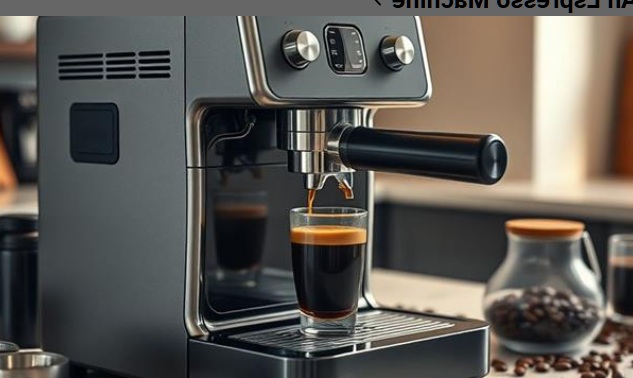
Robusta coffee beans have more caffeine than Arabica beans. We have always been told that using Robusta instead of Arabica beans results in a drop in quality of the coffee that you brew. However, Robusta is not simply a low-quality Arabica. Robusta coffee has a mix of sugars, bitterness and acids different from Arabica. As a rule brew Robusta at a slightly lower temperature than your Arabica and use a coarser grind. If you prefer espresso to a regular brew going with organic Robusta will give you a new taste experience and a stronger caffeine “kick” similar to an Italian espresso!