The main Colombian coffee harvest is beginning and the Brazilian main harvest is over. These two countries are the largest producers of high quality Arabica coffee and Brazil competes with Vietnam as the largest producer of high-caffeine Robusta coffee. The current international price of processed green coffee is hovering around $3.00 a pound. Things that affect the price of coffee on the international market include supply and demand but also foreign currency exchange rates! Recent political events in both Brazil and Colombia have the potential to affect coffee prices beyond simple supply and demand issues!
Why Do Exchange Rates Affect Coffee Prices?
The international price for coffee as well as commodities like crude oil is in US dollars however the business of growing coffee takes place in individual countries in the coffee belt where costs and payments happen in the local currency. When the dollar goes up against a currency like the Brazilian Real or the Colombian Peso, importing coffee costs less for the coffee importer and the coffee farmer makes more money as denominated in his or her currency. When the dollar goes down against a local currency the reverse happens with coffee costing more to import outside of the coffee belt and coffee farmers making less money for their product. Not all savings for cheap coffee are passed on to consumers while extra costs are commonly passed on by coffee roasters. Thus, both coffee farmers and foreign coffee buyers are interested in foreign exchange rates.
How Are Politics Affecting the Colombian Peso US Dollar Exchange Rate?
The recent election of right wing president Abelardo de la Espriella has led recently to a stronger Colombian peso versus the US dollar. The new Colombian president is seen as friendly to businesses and is expected to help reign in the costs of government and strengthen the peso in order to better deal with Colombia’s national debt. The 2027 Colombian budget is 16% higher than the 2026 budget. The plan is to allocate part of the increase to debt service and part to helping the western region of Colombia recover from the Colombia’s worst earthquake in half a century. Meanwhile less money will go to education and to the War Crimes Tribunal. The reduction of money for education could well lead to unrest similar to that in France and the peace process with FARC could fall apart leading to resumption of civil war. While business enthusiasm has helped drive up the peso versus the dollar, the reality of Colombia’s precarious financial social situation is a strong force in the wings threatening to drive the peso back down again the dollar.
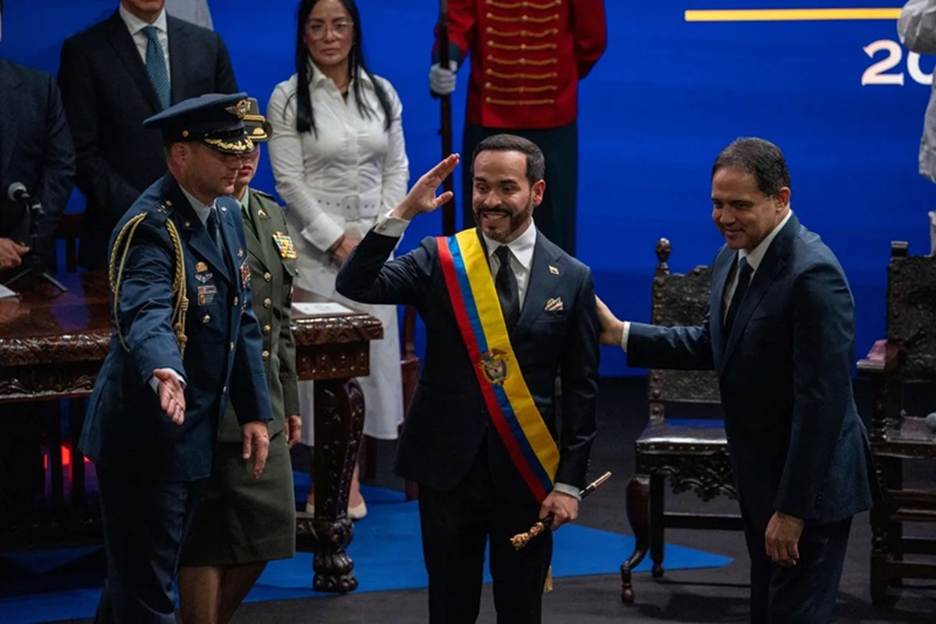
Abelardo de la Espriella Courtesy of Bloomberg
How Are Politics in Brazil Affecting the Brazilian Real US Dollar Exchange Rate?
Unlike Colombia which elected a right wing president, Brazil saw a surprise victory by Luis Ignacio Lula da Silva for his fourth, non-consecutive, term as president. The immediate effects were millions celebrating the streets of Sao Paulo and a ten percent fall in the Bovespa, the Sao Paulo stock market. Likewise the Real fell precipitously by ten percent against the dollar. In a couple of ways the situation in Brazil will be the opposite as in Colombia. The disappointment the business sector felt led to a fall in the real and the stock market but the continuance of a man who has historically been the most popular president in Brazil’s history will help the country avoid the sorts of divisive social issues that may be in store for Colombia. Over the longer haul we might expect to see social stability help bring the Real back against the dollar while social instability may well lead to a steadily weaker Colombian peso versus the dollar. Bloomberg wrote about how markets are mispricing Lula’s comeback. Keep paying attention to see how all of this affects the price of your coffee!
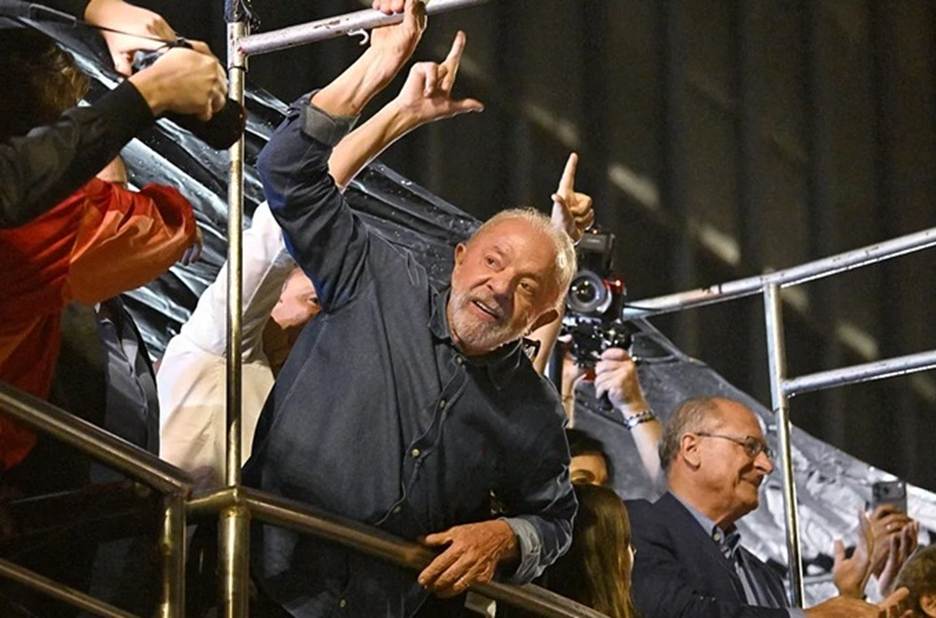
Luis Ignacio Lula da Silva Courtesy of Bloomberg