Coffee is good for your health, keeps you going all day, and tastes great. Why should there be any problem with coffee? The problems as we see them have nothing to do with human health as there is a very long list of health benefits that one gets from being a coffee drinker. Also we don’t see any problem with sustainably grown coffee in the high mountains of Colombia, the home of coffee in Ethiopia or anywhere else that family farmers grow excellent coffee that is organic in all aspects except having been officially certified. The issue we are concerned about comes from large commercial farms that opt of high yields using farming techniques that damage the soil and pollute the water table. To what extent is coffee growing a threat to the environment?
Deforestation and Coffee Farming
According to an article in Coffee Watch coffee farming is one of the greatest drivers of deforestation worldwide. Coffee in nature is a plant that lives under a forest canopy. This is shade grown coffee when a coffee farmer leaves plants in place or plants seedlings under trees. Shade grown coffee is great coffee but not always so profitable for the coffee farmer. Large coffee farming operations in Brazil, Indonesia, and elsewhere clear cut forest to make room for coffee fields with only coffee plants. These folks use lots of synthetic fertilizer to increase yields and use fungicides and insecticides to fight off plant pests and diseases. The immediate results are commonly a greater yield and larger profits. Long term effects are pollution of the water table, degradation of the soil and deforestation.
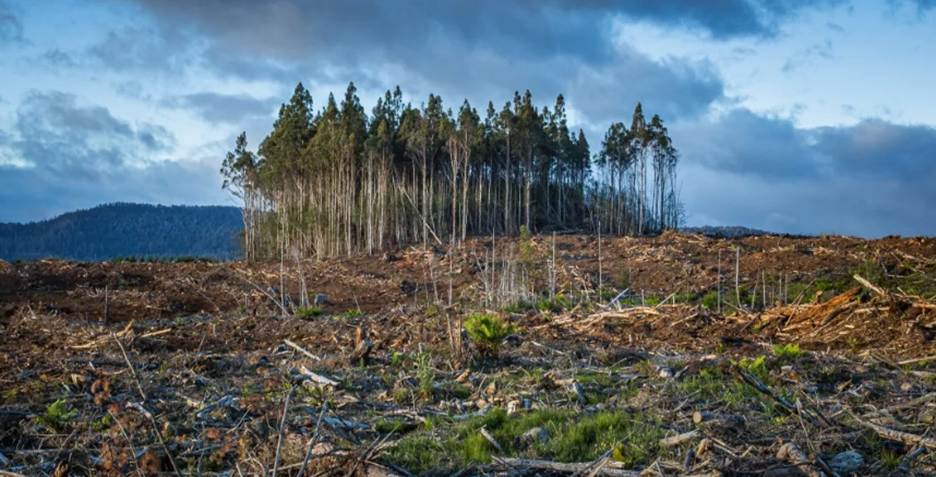
Why Is Deforestation a Problem?
Forest cover roughly a third of all land on earth. When forests are clear cut for farming or ranching this results in more carbon dioxide in the earth’s atmosphere as trees are nature’s way of converting CO2 back into carbon and oxygen. Next to the burning of fossil fuels deforestation is the biggest reason for higher CO2 levels and gradually higher temperatures across the globe. On top of this, deforestation removes habitat for many species of animals and plants. Additionally, forests as well as wetlands help control flooding. When forest are clearcut this can lead to devastating floods in neighboring communities.
Monoculture Coffee Farming as a Problem for the Coffee Farmer
Many family coffee operations that last for generations do not rely just on coffee as their primary crop. It is common to plant plantain, papaya, or other shade producers in the same fields where coffee is grown. These plants provide shade and give the farmer an alternative crop to fall back on in years when coffee prices are unusually low. Too many coffee growing operations have gone bust over the years because they farmer relied on just coffee. Thus, this is another problem with deforestation and large commercial operations growing just coffee.
Chemical Residues and Human Health
The Environmental Protection Agency has published evidence relating to how neurological disease, cancer, and other health problems come from exposure to pesticides, herbicides, and fungicides. Not only are these chemical dangerous for the farmer applying them but they get into the food chain or your coffee and pose a long term health risk to folks living far from the coffee belt where a farmer has clear cut forest, plants a single coffee crop and routinely uses synthetic fertilizers and other chemicals to enhance their coffee yield.