Coffee is grown across the world in the Coffee Belt which stretches around the equator and extends to the Tropic of Cancer and the Tropic of Capricorn. While there are excellent agricultural areas in areas beyond the coffee belt temperatures are generally not conducive to growing a commercially profitable crop of coffee. In fact, if you were to try growing Arabica coffee in Iowa in the heart of the American Corn Belt the plants would freeze and die with the first fall frost not to mention sub zero January temperatures. As the world’s climate gets hotter and weather becomes more severe there is valid concern that both the quantity and quality of coffee will suffer. One potential remedy would be to discover or develop coffee plants for hot or cold environments.
Coffee Plants That Survive Freezing Temperatures
Growing coffee is a business. Thus, coffee farmers plant the same reliable coffee varieties generation after generation. Arabica and Robusta varieties dominate across the globe. The first for it high quality and the second for its high yield and disease resistance. Over the years, coffee that did not fulfill the criteria of good yield and high or at least acceptable quality were never planted and were typically forgotten about. Finding coffee plants or developing ones that can survive extreme heat or cold falls to organizations like Cenicafe, the research arm of the Colombian Coffee Growers Association.
Naturally Occurring Cold and Heat Resistant Coffee
We wrote recently about how coffee spread naturally across Africa evolving new sub varieties along the way to West Africa. In was in West Africa that researchers recently “rediscovered” coffea recemosa which are heat and cold tolerant coffee plants. Likewise West African coffea stenophylla and coffea Liberica are able to produce acceptable yields of decent quality at temperatures both higher and lower than those that are ideal for Arabica coffees or even Robusta varieties.
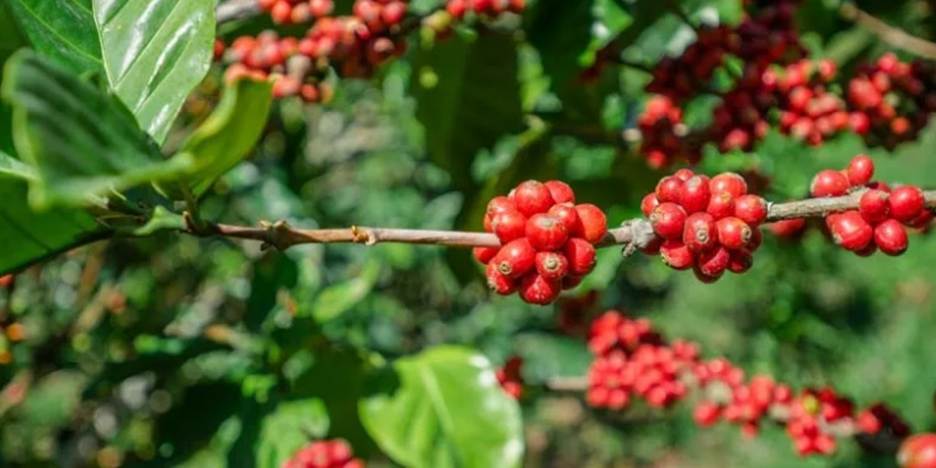
Coffea Liberica Has Cold Tolerant Qualities
Development of Cold and Heat Tolerant Coffees
As we noted, Cenicafe in Colombia develops new coffee subvarieties in order to cope with coffee diseases like leaf rust as well as extreme temperatures and difficult growing conditions. One of the varieties they have come up with comes from cross breeding of arabica plants with West African varieties aiming for excellent Arabica quality combined with tolerance of cold and heat beyond the normal ranges seen in current growing areas. It remains to be seen how cold tolerant such plants will be and if they could be used to commercially grow coffee in more extreme Northern and Southern latitudes. More promising have been the results for creating strains tolerant of the higher temperatures likely to be seen in the Coffee Belt in decades to come.
How do Trees Survive Winter Cold?
In the Northern and Southern Hemispheres in temperate regions trees survive winter by becoming dormant. They are genetically programmed to start shedding leaves when temperatures fall, concentrating sugars in their cells and reducing water in cells thus producing an “antifreeze-like situation combined with reduced water loss because of no leaves. Although trees survive freezing winters they only flower and bear fruit during the growing season. It would appear that leaving coffee plants alone in the wild has allow a degree of genetic evolution to help create some of the factors needed for cold tolerance. We can only hope that over time geneticists will be able to develop tree-like winter cold tolerance so that coffee can be grown in regions like central North America, Ukraine, and Argentina which are the major grain producing regions of the world. If that ever becomes the case a whole new generation of farmers will need to be introduced to coffee growing methods and culture!